Renovating your home can be an exciting and rewarding experience, but not all upgrades add value. In fact, some design choices and structural changes can turn buyers away or even lower your home’s resale value. Before you pick up that sledgehammer or splurge on custom finishes, consider these common renovation mistakes that could cost you in the long run.
1. Overly Personalized Upgrades
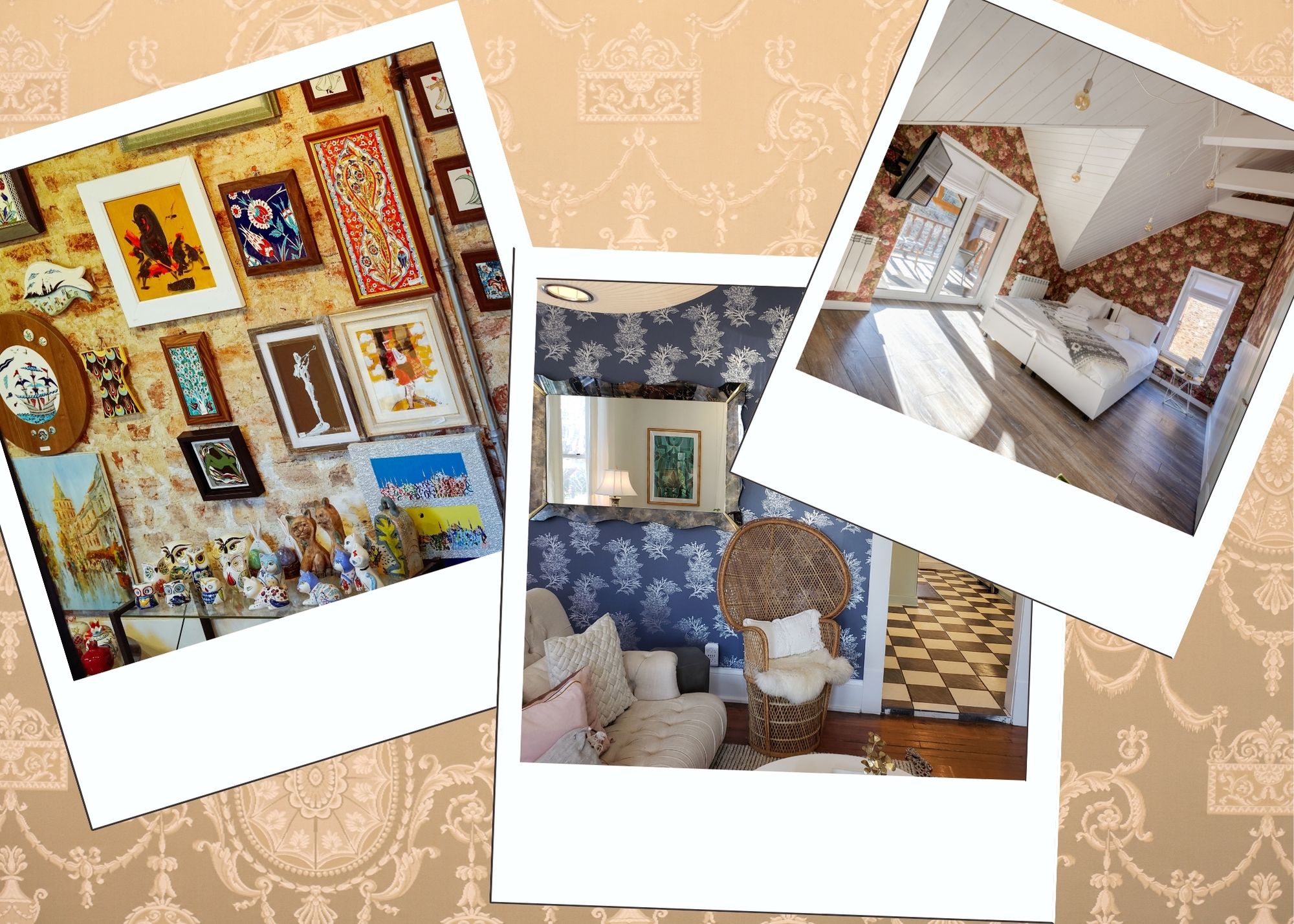
It’s tempting to infuse your personality into your home, but extreme customizations—like themed rooms, unusual color choices, or bold wallpaper—may not appeal to future buyers. Neutral, classic designs tend to attract a wider audience. If you love a particular aesthetic, keep it in easily changeable elements like décor, rather than permanent fixtures.
2. Removing bedrooms
Knocking down walls to create a larger primary suite or converting a bedroom into a walk-in closet might seem luxurious, but reducing the number of bedrooms can significantly lower your home’s market value. Buyers typically search for homes based on bedroom count, and losing one can take your home out of their search criteria.
3. Converting the Garage
A home gym, an extra bedroom, or a game room may seem like a smart way to use garage space, but many buyers prioritize a secure place to park their car. Unless you live in an area where parking is plentiful, removing a functional garage could be a dealbreaker.

4. DIY Disasters
While DIY projects can save money, poorly executed work—like uneven flooring, bad tiling, or sloppy painting—can signal red flags to potential buyers. If a project requires skill and precision, it’s best to hire a professional to avoid costly mistakes.
5. Ignoring Permits and Codes
Cutting corners by skipping permits or ignoring building codes can lead to major problems when selling your home. Buyers often request inspection reports, and any unpermitted work may require expensive fixes or even removal. Always check with your local municipality before starting major renovations.
6. Over-the-Top Luxury Features
High-end upgrades like extravagant home theaters, elaborate wine cellars, or ultra-modern smart home systems may appeal to some, but they rarely offer a strong return on investment. If the features don’t align with the neighborhood, they could make your home harder to sell.
7. Removing the Bathtub
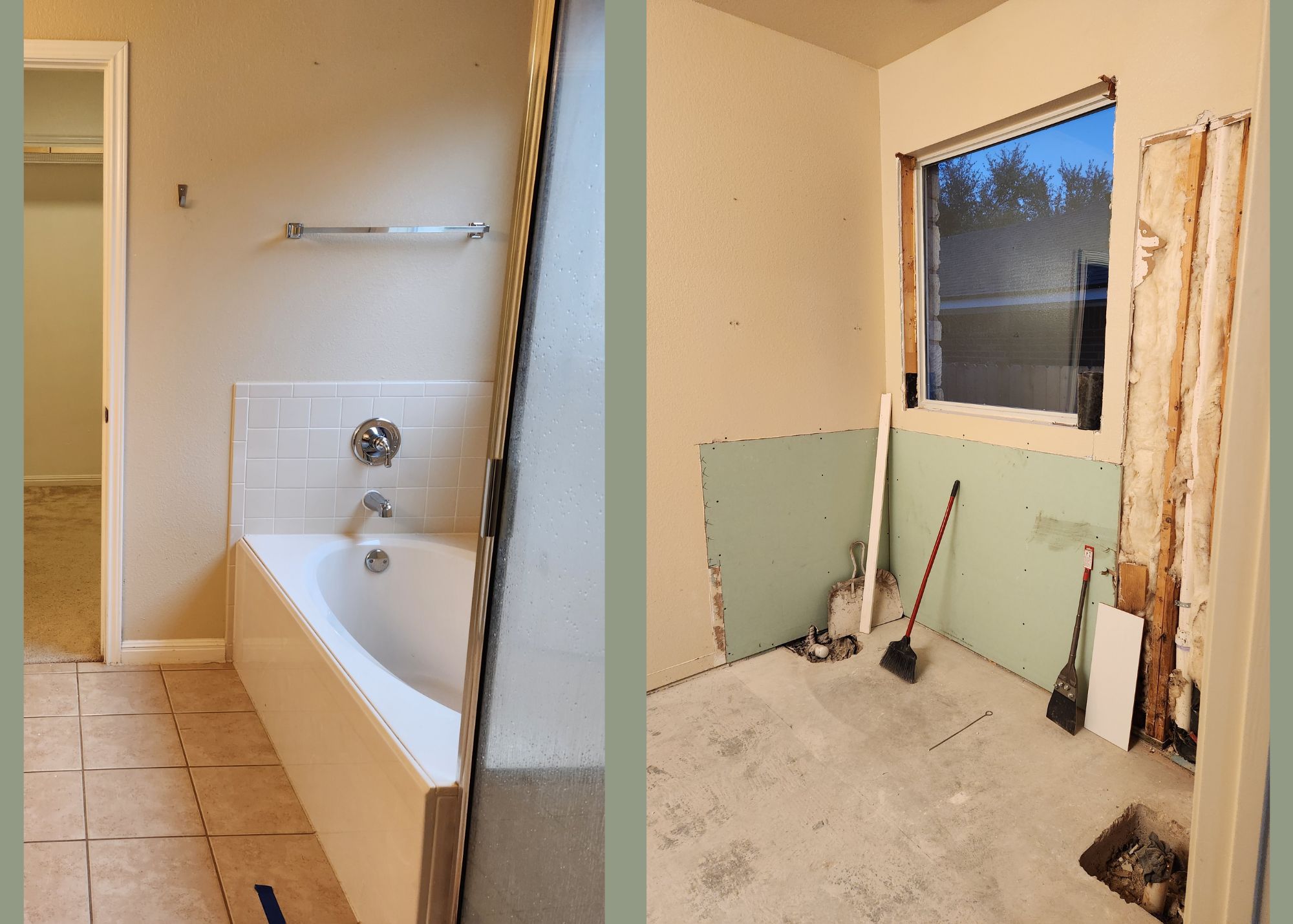
Many homeowners are opting for sleek, modern showers, but removing the only bathtub in a home can be a big mistake—especially for families with young children. If you’re updating a bathroom, consider keeping at least one tub in the house.
8. Inconsistent Renovations
Mixing styles—like installing ultra-modern finishes in a historic home—can feel disjointed. Likewise, updating one part of the house while neglecting others can make renovations feel incomplete. Aim for a cohesive design throughout your home to maintain balance and appeal.
9. Poor Landscaping Choices
A beautifully landscaped yard enhances curb appeal, but excessive hardscaping, high-maintenance gardens, or artificial turf can turn buyers away. Simple, well-kept landscaping that is easy to maintain will make a better impression than over-the-top features that require constant upkeep.
Final Thoughts
Before you start a renovation, it’s important to consider how your choices will impact your home’s future value. The right updates can enhance your space, while the wrong ones could make selling your home harder down the road.
Thinking about renovating, redecorating, or remodeling? Let’s talk before you start! I can help you make the right choices for your home’s style, function, and long-term value.
Reach out to me BEFORE making any major changes. LET’S CREATE SOMETHING BEAUTIFUL!
Ready to take the next step?
You can book an appointment with me for personalized support or schedule a discovery call if you’d like to explore how I can help.
Enjoy this blog?