Understanding the link between your circadian rhythm, Seasonal Affective Disorder (SAD), and thriving through the holidays
As daylight fades and nights stretch longer, many feel sluggish — and some experience a deeper dip known as Seasonal Affective Disorder (SAD). Understanding how your circadian rhythm (your internal 24-hour body clock) works — and how to realign it — can help you feel brighter, more balanced, and energized through the winter holidays.
Your Circadian Rhythm: The Body’s Natural Clock
Your circadian rhythm regulates sleep, mood, hormones, and metabolism.
When aligned, you wake refreshed, stay alert, and rest easily. But shorter winter days can disrupt it, leading to fatigue, irritability, and even SAD.
How Winter Disrupts the Rhythm
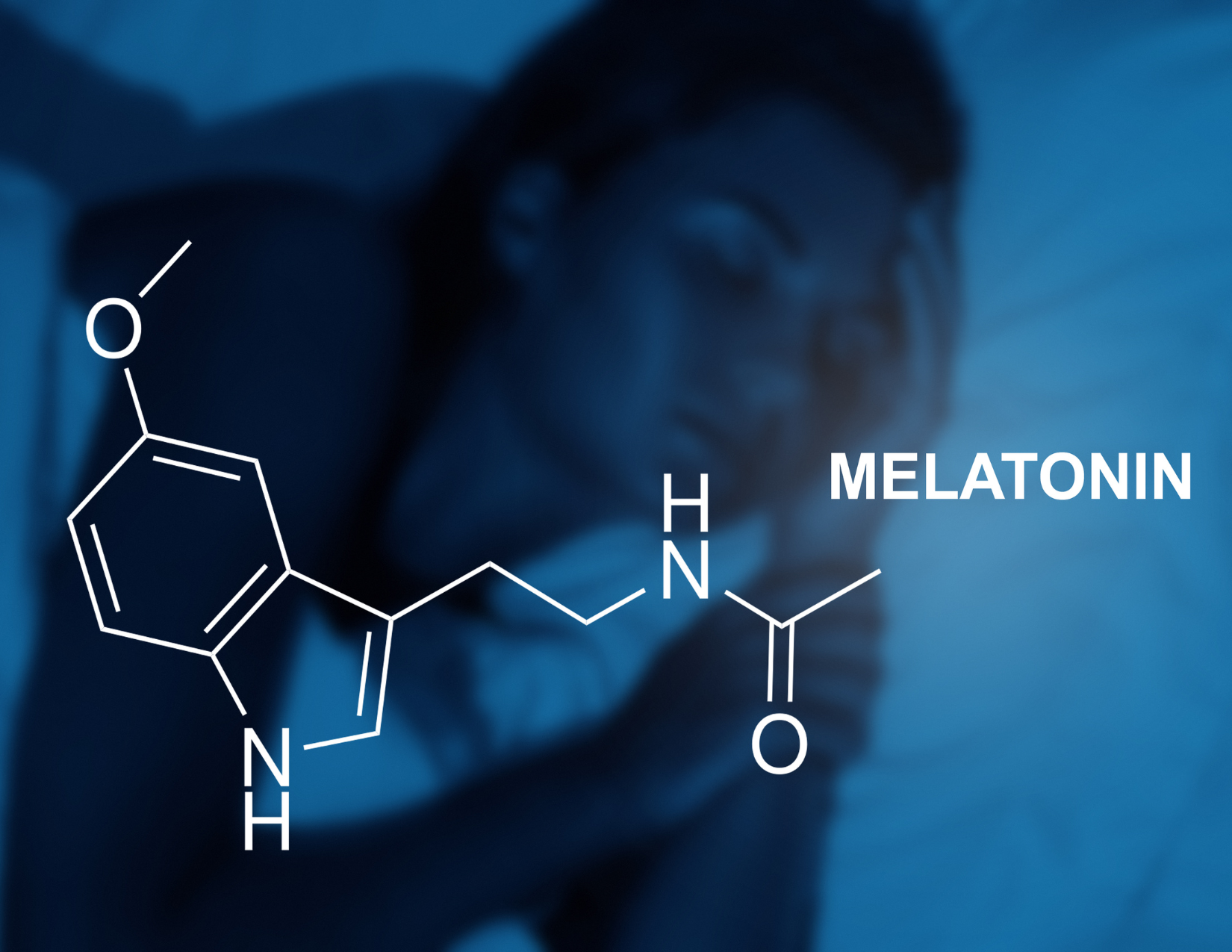
Reduced sunlight lowers serotonin (your mood stabilizer) and raises melatonin (the sleep hormone), making you feel tired, unfocused, and withdrawn. Many with winter-pattern SAD experience a “phase delay” — their internal clock drifts later than daylight — amplifying stress, cravings, and low motivation during colder months.
Recognizing the Signs
Watch for:
- Oversleeping or daytime sleepiness
- Low energy, irritability, or withdrawal
- Carb cravings or winter weight gain
- Trouble waking or feeling “off rhythm”
How to Reset & Shine Through the Holidays
- Morning Light Matters
Get direct daylight within an hour of waking — even 10 minutes near a window helps.
If sunlight is scarce, try a 10,000 lux light box in the morning.
Create a “sunrise moment”: open curtains, sip coffee outdoors, or position your breakfast table near daylight. - Keep a Consistent Schedule
Go to bed and wake up at the same time daily — even during holiday parties.
Limit sleep shifts to one hour and return to normal quickly.
Design a restful bedroom: warm tones, blackout curtains, no screens. - Design with Light
Use sheer curtains, reflective surfaces, and full-spectrum bulbs to maximize brightness.
Add warm accent lighting — amber string lights, mirrors to bounce light, cozy lamps near seating areas.
Dim lights 1–2 hours before bed to cue relaxation. - Move, Eat & Connect
Exercise in daylight to boost mood and rhythm.
Eat breakfast near sunlight, avoid heavy late-night meals, and keep caffeine moderate.
Stay social — walks, window-shopping, or festive gatherings all help keep spirits high. - Check Vitamin D & Mood Cues
Low Vitamin D contributes to fatigue and mood dips.
If you’re constantly dragging or oversleeping, seek light therapy or professional support early.

Weaving Holiday Cheer with Rhythm Care
Start mornings with light — open windows before diving into festivities.
Use décor to reflect brightness: mirrors, soft golds, and light-bouncing finishes.
Gift yourself time — a quiet morning, a daylight reading nook, or a sunrise alarm.
Remember: true holiday brightness isn’t just in twinkle lights — it’s in your body and mind staying in sync.
- Your circadian rhythm anchors your energy and mood.
- Winter light loss disrupts it, often leading to SAD.
- Light exposure, routine, smart interior lighting, and social activity help restore balance.
- Treat light and rhythm as part of your wellness — and your design plan.
Light isn’t just décor — it’s a biological necessity.
Encourage clients to design their rhythm as intentionally as their color palette or furniture layout. A well-lit home supports not just beauty — but health, focus, and joy
Ready to take the next step?
You can book an appointment with me for personalized support or schedule a discovery call if you’d like to explore how I can help.