A vision board is one of the most powerful tools for setting intentions — but you don’t need magazine cutouts to do it.
Your home is the biggest, most impactful vision board you will ever create.
Visualize, Prioritize, Personalize
Every color you choose, every room you design, and every object you keep sends a message to your subconscious:
This is who I am. This is what matters. This is where I’m going.
If your goals for 2026 include feeling more grounded, creating more peace, or living more intentionally, your home should reflect that journey.
1. What Is a “Home Vision Board”?
It’s the idea that your home visually represents the life you want to live.
It’s not about perfection — it’s about alignment.
- Want to feel calm? Choose hues that quiet the mind.
- Want more creativity? Energize your environment.
- Want simplicity? Remove what distracts you visually.
Your home becomes a daily reminder of your intentions.
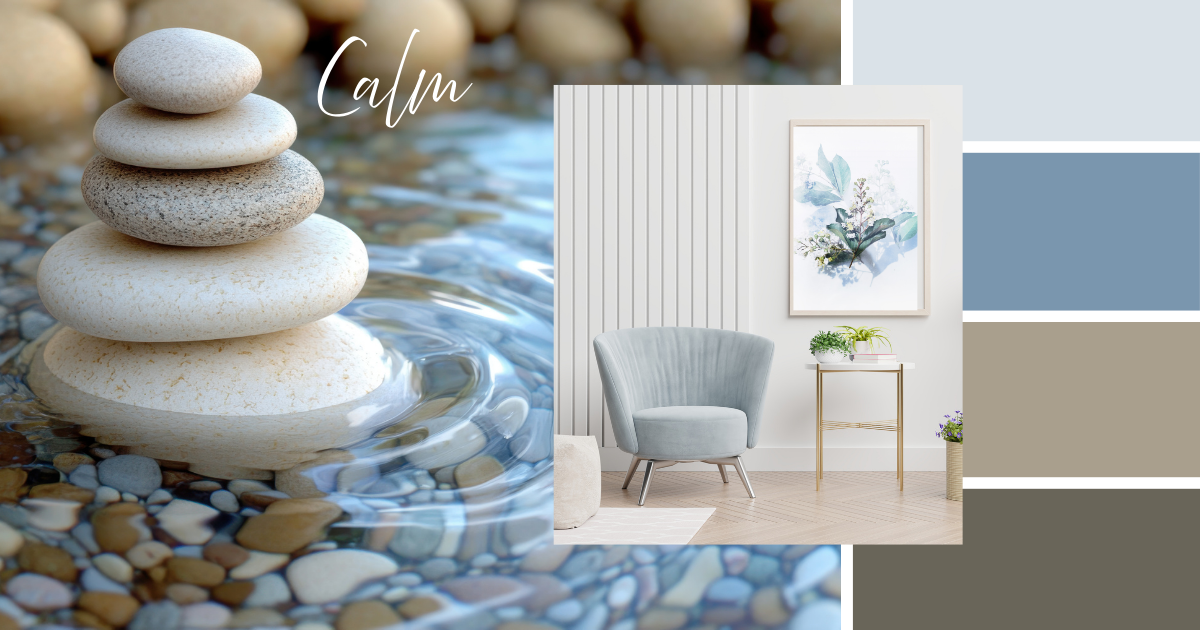
2. The Foundation: Color as Your Emotional Blueprint
Color is the fastest way to shift the feeling of a space — and your internal state.
Here’s how to use color intentionally:
- Soft greens & muted blues — Growth, balance, connection
- Warm whites & cream tones — Simplicity, clarity, clean beginnings
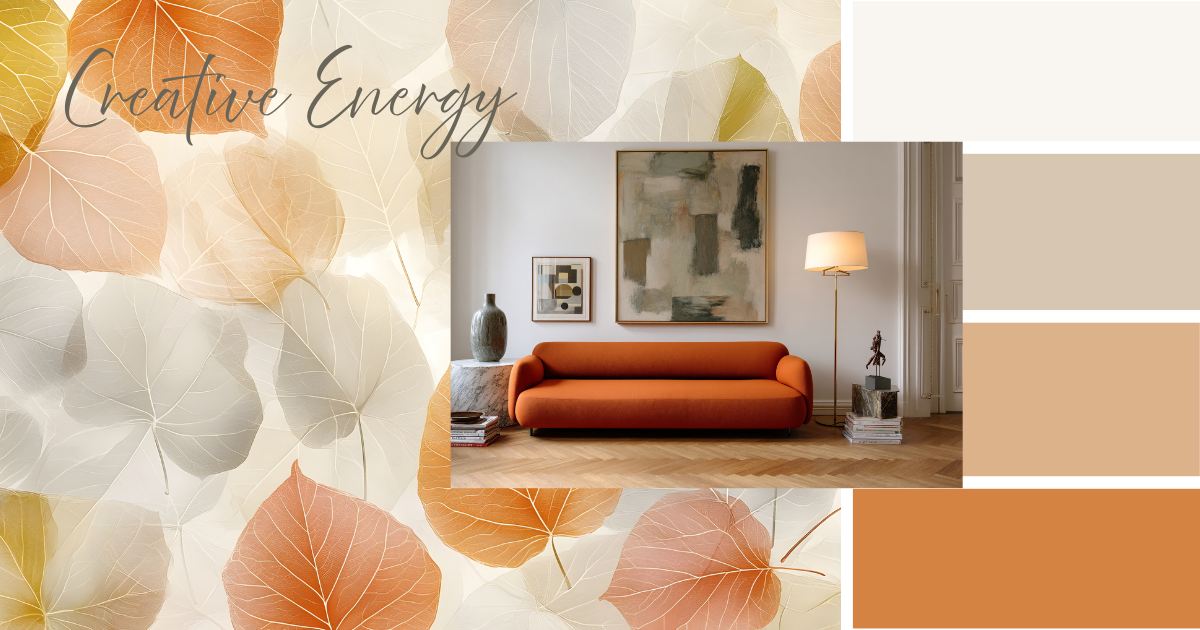
- Terracotta, clay, caramel — Creativity, grounding, movement
- Earthy neutrals — Stability, calm, warmth
- Modern charcoals & deep blues — Confidence, focus, intention
Ask: Which colors represent the 2026 version of me?
3. Design Around Who You’re Becoming
When a home starts to feel “off,” it’s often not because anything is wrong with it — it’s because it’s reflecting an old chapter of your life. Many people are still living inside yesterday’s design decisions, even though their goals, routines, and emotional needs have changed.
Your home should evolve with you. It should support the life you’re living now, the direction you’re moving toward, how you want to feel each day, and the way you actually use your space.
This is where defining your design intentions becomes so powerful. Instead of starting with paint colors or furniture, you start with how you want your home to show up for you:
“I want peace when I walk in the door.”
“I want clarity instead of visual noise.”
“I want inspiration.”
“I want connection.”
“I want more energy.”
Once those intentions are clear, color stops being overwhelming. It becomes your roadmap — guiding every decision with purpose, instead of guesswork.
4. Create Goal Zones in Your Home
Turn small pockets of your home into visual anchors that remind you of your intentions.
Examples:
- Wellness Zone: Soft neutrals + warm lighting → signals rest.
- Focus Zone: Blues or blue-greens → support concentration.
- Creativity Zone: Terracotta or muted yellow → encourages ideas.
- Connection Zone: Warm taupes, olive, or caramel → invite conversation.
Even a single color can anchor a goal.
5. Curate What You Keep
The objects you display are part of your vision board too. Keep what aligns with your intentions.
Release what reflects past versions of yourself.
Ask: Does this inspire me? Does this support my future? Does this feel like the 2026 version of me? Your home becomes a reflection — and reinforcement — of your growth.
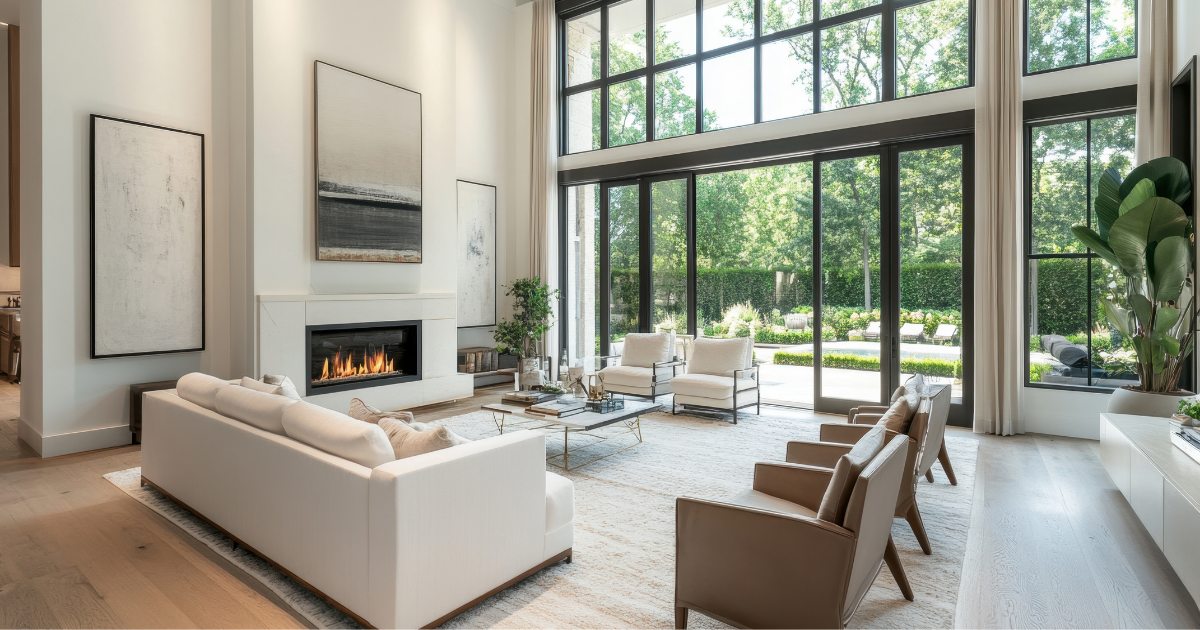
Your home should not just store your belongings — it should support your becoming.
When you design with intention, your home becomes a daily, visual reminder of the life you are creating.
Ready to create a personalized color plan that reflects your 2026 goals?
→ Book your January or February Color Consultation.
Let’s make your home your most powerful tool for growth.
Enjoy this blog?
Follow me on Instagram and Facebook for more.
Curious to learn more about your style?
Take my Quick Quiz and discover your personalized results!