When buyers walk through a staged home, they may not consciously analyze paint colors, or any color for that matter — but their brains absolutely register how those colors make them feel. One of the most overlooked elements in home staging is color flow: how paint colors transition from room to room and how those transitions support — or disrupt — the overall experience of the home.
Color flow isn’t about matching every room. It’s about creating visual continuity that allows buyers to move comfortably through the space without distraction.
What Is Color Flow?
Color flow refers to the relationship between paint colors throughout a home. This includes:
- Wall colors
- Trim and ceiling colors
- Undertones
- Light reflectance
- How colors interact with natural and artificial light
In staged homes, strong color flow helps buyers feel calm, oriented, and confident as they walk from space to space.
Why Color Flow Matters in a Staged Home
Buyers typically spend only a few minutes in each room, and during that brief window their brains are making rapid, emotional judgments about the space. They are subconsciously assessing whether the home feels cohesive, easy to live in, and well maintained.
Abrupt color changes, especially noticeable shifts in color temperature for example, can introduce visual tension that disrupts this process. Even when buyers can’t clearly articulate what feels “off,” they often react by moving more quickly through the home or quietly categorizing the property as one that needs work.
The Problem With Abrupt Color Shifts
Common mistakes that disrupt color flow include:
- Jumping from warm beige to cool gray with no transition
- Using multiple whites with conflicting undertones
- Introducing bold or saturated colors between neutral spaces
- Ignoring how hallways visually connect rooms
These shifts can make spaces feel disconnected, smaller, or visually chaotic—none of which support a successful showing.
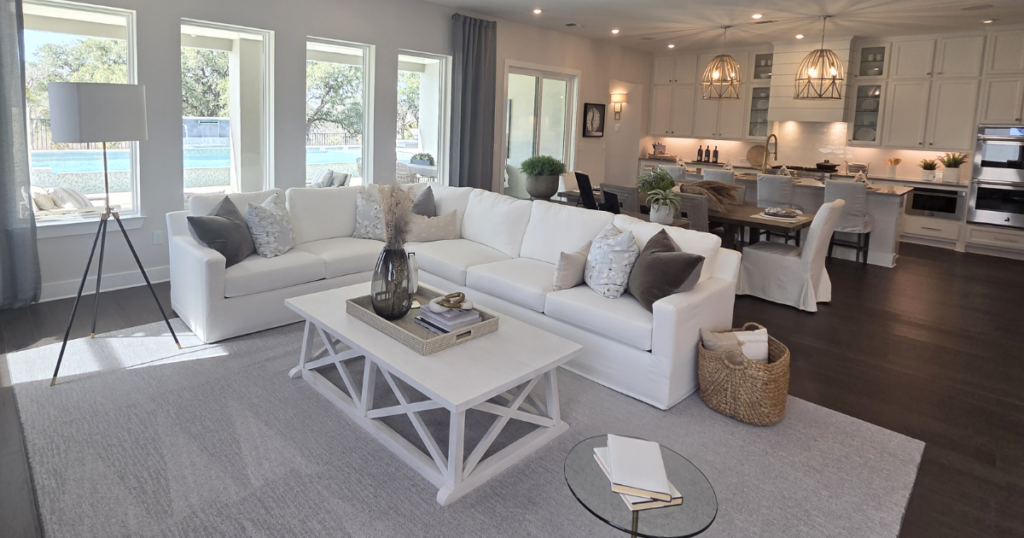
When color flow is done well, buyers experience the home as a cohesive whole rather than a series of disconnected rooms. Spaces feel naturally connected, even when they serve very different functions, and the architecture reads as intentional and balanced instead of visually fragmented. This sense of continuity helps buyers slow down as they move through the home, linger longer in each space, and feel more at ease overall. As an added benefit, homes with good color flow photograph better and show more consistently under changing light conditions throughout the day. Ultimately, effective color flow allows buyers to focus on the home itself—not the paint choices competing for attention.
Color Flow Is Not About Using One Color Everywhere
A common misconception is that it requires painting an entire home the same neutral, when in reality, effective staging relies on coordination rather than uniformity. Successful color flow is achieved through aligned hue families, subtle shifts in value from light to mid-tone, consistent trim and ceiling colors, and thoughtful transitions across shared sightlines. When these elements work together, the home gains visual continuity while still allowing each space to feel distinct, creating interest without interruption.
The Architectural Advantage
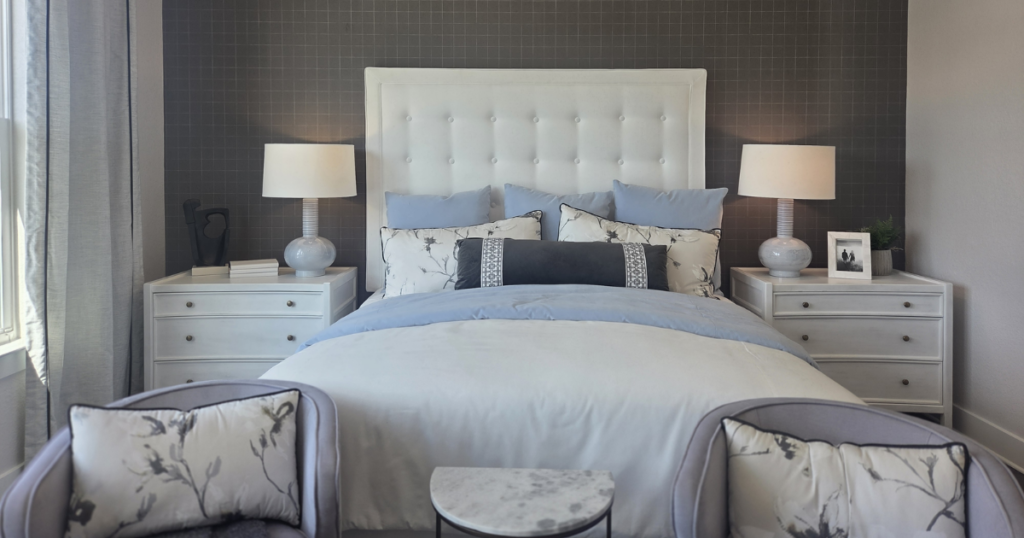
Homes with strong architectural color flow feel more refined and professionally staged. The paint supports the structure rather than competing with it. Buyers subconsciously associate this with quality, care, and readiness.
In a competitive spring market, these subtle advantages matter.
Color flow doesn’t shout – it whispers. But those whispers influence buyer behavior more than most sellers realize. When staging a home for sale, seamless color transitions help buyers move comfortably, stay longer, and imagine themselves living there.
And that’s exactly what sells homes faster.
Ready to turn “For Sale” into “Sold”?
Understanding the power of color is the first step, but applying it to your unique space is where the magic happens. My Home Staging Consultation provides up to 2 hours of onsite expertise followed by a detailed report tailored specifically to your home. I’ll help you highlight your home’s best features and create those “Emotional Connection Points” buyers can’t resist.
Check My Home Staging Consultation Here!
Want More Practical Staging Tips?
Make sure you read the following post as well to help you get your home ready for to sell
- Why Home Staging Matters — And How Color Makes the Difference
- Layered Neutrals: Adding Depth Without Clutter
- Why Curb Appeal Matters — Whether You’re Selling or Staying
Ready to take the next step?
You can book an appointment with me for personalized support or schedule a discovery call if you’d like to explore how I can help.
Enjoy this blog?