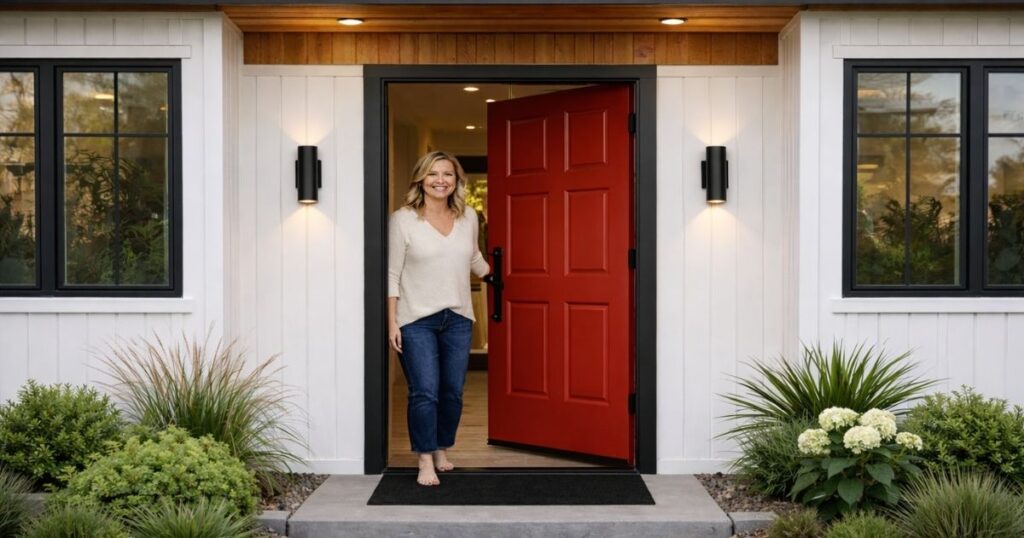
Although the front door occupies a relatively small area, it has a significant influence on how your home is perceived.
I often describe the front door as the anchor point of an exterior. It sets the tone, signals intention, and creates a focal moment that either elevates the architecture… or feels like an afterthought.
Because it’s such a high-visibility element, front door painting deserves more consideration than simply picking a bold color and grabbing a can of paint.
Let’s walk through what homeowners should understand — whether you’re planning to DIY or hire a professional.
Front Door Color: Why It’s Not Just a “Fun Accent”
A front door color doesn’t exist in isolation. It interacts with:
- Brick, stone,
- Stucco and/or Siding paint colors
- Trim color
- Roof color
- Natural light and shade
- Surrounding landscape
This is why a door color that looks perfect on Pinterest can feel wrong once applied to your home.
From a color perspective, front doors work best when they:
- Relate to existing exterior elements
- Respect the architectural style of the home
- Provide intentional contrast — not visual noise
- Are chosen with light exposure in mind
Bold doesn’t mean random. And neutral doesn’t mean boring. The most successful front door colors are considered, not impulsive.
Choosing the Right Paint Product for a Front Door
Front doors experience more wear than almost any other painted surface:
- Frequent handling
- Direct sun exposure
- Heat absorption
- Weather and moisture
- Cleaning and wiping
Because of this, the paint product matters just as much as the color.
A quality front door paint should:
- Be designed for exterior use
- Offer durability and flexibility
- Resist fading and scuffing
- Hold up to frequent contact
This is not the place to use leftover wall paint. A dedicated exterior trim or door paint will perform far better and maintain its appearance longer.
Primer: When It’s Essential for Doors
Primer is often overlooked on front doors — and it’s one of the biggest reasons door paint fails.
Primer is necessary when:
- The door is bare wood or raw material
- You’re changing from a light color to a dark color (or vice versa)
- The door has been previously stained or sealed
- There are repairs, dents, or patching
- You want the color to appear even and true
Primer creates a stable base so the color looks intentional, smooth, and consistent — especially important on doors where sheen highlights imperfections.
Application Methods: Spray vs Brush vs Roll
Homeowners often ask which method is “best.” The answer depends on the door, the environment, and the desired finish.
Spraying
- Produces the smoothest, most factory-like finish
- Ideal for removing the door and painting off-site
- Requires proper setup and control
- Highlights color beautifully, especially with high-gloss or semi-gloss finishes
Brushing
- Works well for paneled or detailed doors
- Allows more control in tight areas
- Can leave brush marks if not done properly
- Best paired with the right brush and technique
Rolling
- Useful for flat doors or large, smooth surfaces
- Typically followed by back-brushing for an even finish
- Less ideal for high-sheen doors without experience
A professional often uses a combination of methods to achieve the best result.
Paint Finish: Why Sheen Matters on Front Doors
Front doors typically require higher sheens than siding or walls.
Common choices include:
- Satin
- Semi-gloss
- High-gloss (used selectively)
Higher sheens:
- Are more durable
- Clean more easily
- Reflect light — which enhances color depth
- Highlight architectural detail
However, higher sheen also means imperfections are more visible. This is why surface prep and primer are especially important on doors. Personally, I hardly ever spec high gloss for a traditional or a transitional home.
Why Some Front Door Colors Fade Faster
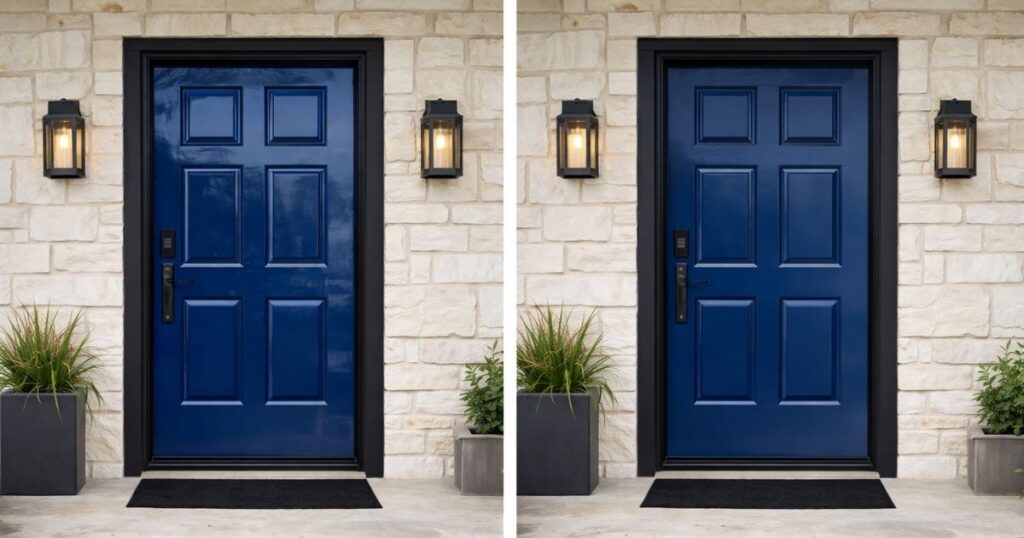
Because doors often receive direct sunlight, certain colors fade faster than others.
Colors that tend to fade more quickly:
- Reds
- Oranges
- Yellows
- Bright blues
- Highly saturated hues
This doesn’t mean you should avoid certain front door colors; it simply means understanding the conditions that affect how they perform over time. Product quality matters — higher-quality paints with better pigments and UV resistance will hold their color longer. Placement also plays a role. A front door that faces strong afternoon sun or has no protective overhang will naturally experience more fading than one that is shaded or recessed. And finally, expectations should be realistic. Exterior paint is exposed to weather, light, and temperature changes, so some gradual fading over time is normal. With the right product and proper maintenance, however, even bold or sensitive colors can still perform beautifully. Darker or more complex colors, muted tones, and colors with depth tend to age more gracefully outdoors.
What Homeowners Should Discuss With Their Painter
Whether you’re DIY-ing or hiring a professional, these are important questions:
- What paint product is best for this door?
- Will primer be used?
- How will the door be prepped?
- Which application method will be used — and why?
- What sheen is recommended for durability and appearance?
Clear answers lead to better results.
A Color Consultant’s Perspective Ready to Choose a Front Door Color that you Love?
Front doors may be small, but they carry remarkable influence. When color, product quality, proper preparation, and thoughtful application all work together, a front door becomes more than just a painted surface. It feels deliberate, strengthens the home’s architecture, performs better over time, and creates a welcoming first impression. For that reason, front door color deserves the same level of consideration as the rest of the exterior—sometimes even more.
Although the door itself is a relatively small element, it holds significant visual weight. The right color can elevate the architecture, highlight surrounding materials, and create a polished, inviting entry. The wrong choice, however, can feel disconnected from the home, overly trendy, or visually distracting instead of cohesive.
Ready to Choose a Front Door Color with Confidence?
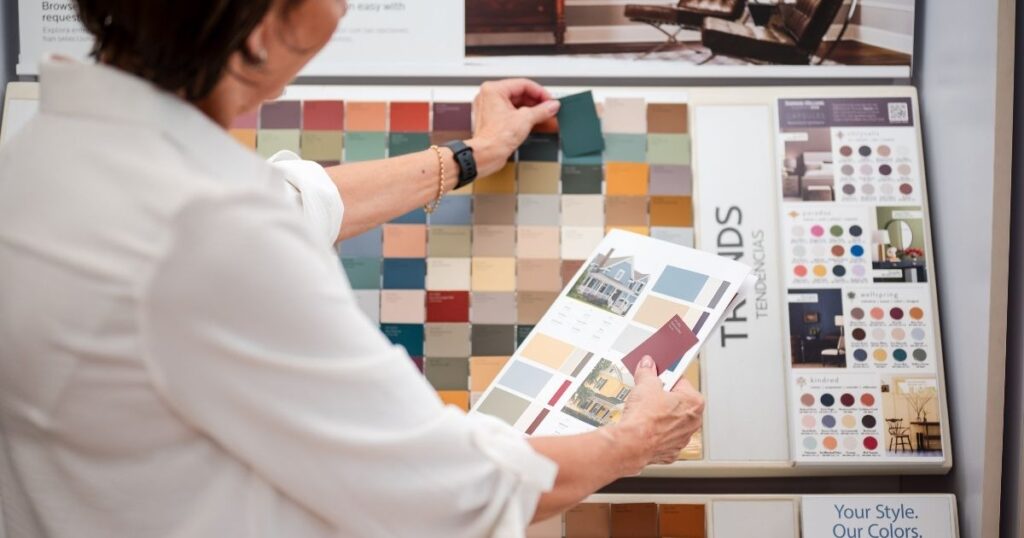
My Virtual Front Door Color Consultation is designed specifically for homeowners who want expert guidance without the stress. Together, we evaluate your home’s exterior materials, lighting conditions, architectural style, and surrounding colors to choose a door color that looks intentional and beautiful — not random.
You’ll receive:
✔ Professionally selected door color options
✔ Guidance based on your home’s fixed elements and light exposure
✔ Visual renderings to help you see the color before you commit
✔ Confidence knowing your choice supports the whole exterior
A front door is too visible — and too important — to leave to trial and error.
Book your Virtual Front Door Consultation here → Click Here
Ready to take the next step?
You can book an appointment with me for personalized support or schedule a discovery call if you’d like to explore how I can help.
Enjoy this blog?