What Homeowners Should Know Before Choosing a Color
One of the most common concerns I hear from homeowners after an exterior paint project is this:
“The color looked great at first, but it faded faster than I expected.”
Exterior paint fading is frustrating — but it’s also very common. The key thing to understand is that fading is not always a sign of poor paint or bad workmanship. In many cases, it’s the natural result of color, sun exposure, and environmental conditions.
As a color consultant, part of my job is helping homeowners understand which colors hold up better outdoors and how to reduce fading before it ever becomes an issue.
What Causes Exterior Paint to Fade?
1. Sun Exposure and UV Rays
The sun is the number one cause of exterior paint fading.
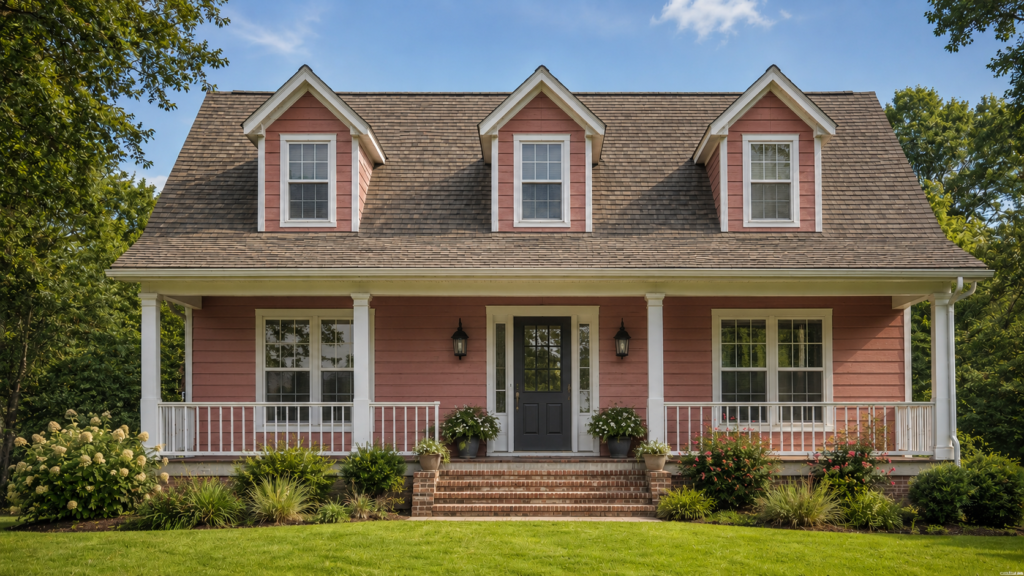
Ultraviolet (UV) rays break down the pigments in paint over time. The more direct sunlight a surface receives, the faster this process happens. South- and west-facing sides of a home typically fade faster than shaded or north-facing areas.
This is why you may notice uneven fading across your exterior — it’s based on exposure, not application.
2. Color Pigments Matter More Than Most People Realize
Not all colors are created equal when it comes to durability.
Some pigments are naturally more stable outdoors, while others are more sensitive to UV exposure. This means certain colors will fade faster no matter how high-quality the paint is.
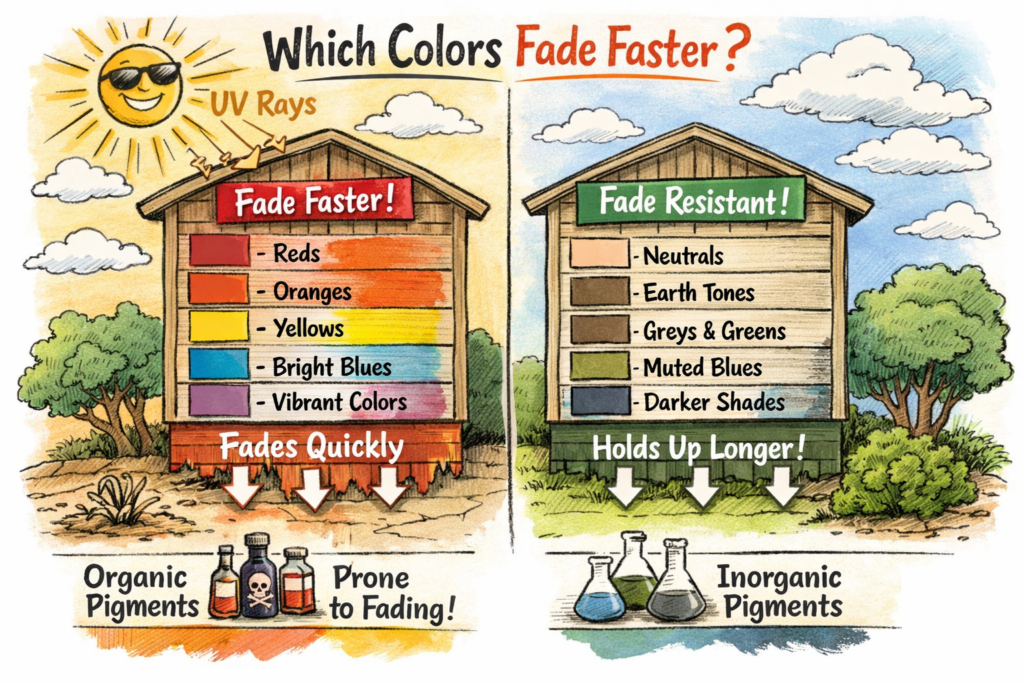
Colors that tend to fade faster:
- Reds
- Oranges
- Yellows
- Bright blues
- Highly saturated or vibrant colors
These colors rely on organic pigments, which are more vulnerable to UV breakdown. Over time, they lose intensity and can appear washed out.
Colors that typically hold up better:
- Neutrals
- Earth tones
- Grays and greiges
- Muted greens and blues
- Mid-tone and darker colors with complex undertones
These colors often contain more stable inorganic pigments, which are more resistant to fading.
This doesn’t mean you shouldn’t choose bold colors — it just means expectations and product selection matter.
3. Dark Colors Absorb More Heat
Darker exterior colors absorb more heat from the sun. That heat causes the surface to expand and contract, which can accelerate pigment breakdown over time.
While darker colors can look beautiful and dramatic, they may require:
- Higher-quality paint products
- More frequent maintenance
- Thoughtful placement on the home
This is especially important to consider on surfaces that receive full afternoon sun.
4. Environmental Factors Play a Role
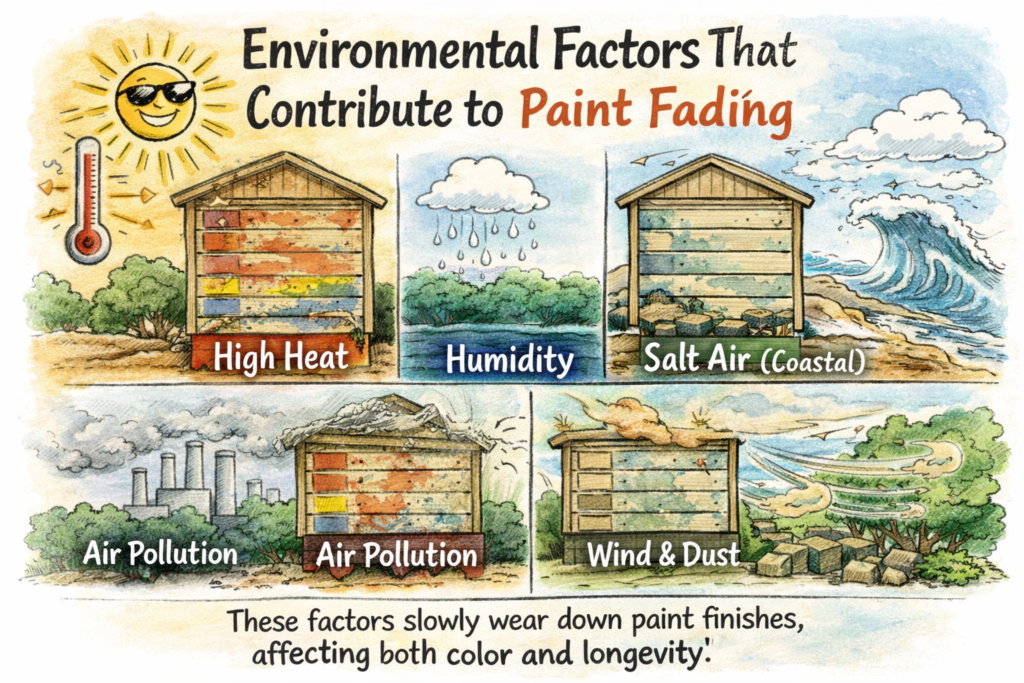
Beyond sunlight, other environmental elements can contribute to fading:
- High heat
- Humidity
- Salt air in coastal areas
- Air pollution
- Wind and dust
These factors slowly wear down paint finishes, affecting both color and longevity.
I had my AI assistant create a fun little image to demonstrate this and to “make it fit” – Air pollution is created twice! Making sure you know the facts! 😊
How to Minimize Exterior Paint Fading
While fading can’t be eliminated entirely, it can be managed and slowed significantly with the right decisions.
Choose the Right Paint Product
Higher-quality exterior paints contain:
- Better binders
- More UV-resistant pigments
- Improved color retention technology
This is a great conversation to have with your painter:
“Which paint product offers the best fade resistance for this exposure?”
Be Strategic About Color Placement
You don’t have to avoid certain colors — you just need to place them thoughtfully.
For example:
- Use highly saturated colors on shaded areas, doors, or accents
- Reserve sun-exposed walls for more fade-resistant hues
- Balance bold colors with neutrals that hold up longer
This is where architectural color planning makes a real difference.
Consider Sheen and Finish
When selecting paint for exterior surfaces, sheen is an important factor to consider. Slightly higher sheens on exterior trim and doors can reflect light more effectively, resist environmental breakdown longer, and help color hold more evenly over time. Flat finishes can certainly be pretty, but on surfaces that receive strong sun exposure they may begin to show fading or wear sooner than finishes with a bit more sheen.
Proper Prep and Application Matter
Well-prepared surfaces and proper priming help paint perform as intended. When paint bonds correctly, it’s better able to resist environmental stress over time.
What to Ask Your Painting Company
If fading is a concern — and it should be — these are reasonable questions to ask:
- Which colors tend to fade faster in our climate?
- What paint products offer the best UV protection?
- Are there better alternatives within the same color family?
- How will exposure differ on each side of the house?
A reputable painting company should be able to address these questions confidently.
As a Color Professional, my goal isn’t simply to help you choose a beautiful exterior color — it’s to help you choose one that performs well in your specific environment. Understanding how and why colors fade allows you to set realistic expectations and make more informed decisions. It helps you protect your investment and enjoy your exterior longer. When color choice, product quality, and placement all work together, the result feels thoughtful and intentional rather than temporary.
Is your home truly aligned with its environment?
Color is more than a decorative choice — it is a biological tool that can turn a flat space into a restorative sanctuary. If you are ready to move beyond trend-driven paint colors, our new eBook, “Nature-Inspired Color Styles” provides the professional framework you need. Learn how to master the five signature styles that bring the enduring calm of the natural world into your home.

You can explore the Nature-Derived Architectural Palettes Guide here!
Ready to take the next step?
You can book an appointment with me for personalized support or schedule a discovery call if you’d like to explore how I can help.
Enjoy this blog?