
Metal roofs have become increasingly popular over the last decade. You see them everywhere — on modern homes, farmhouses, commercial buildings, and even traditional neighborhoods where they weren’t common before. While metal roofing offers some real advantages, it’s not automatically the right choice for every home.
If you’re considering a metal roof — or simply trying to understand why they’ve become so trendy — here’s what you should know before making a decision. I broke it down in bullet points, so it is easy to read, understand and take some notes. Make sure you download the Free Q&A guide down below.
Why Metal Roofs Are Trending
Metal roofs gained popularity for a few key reasons:
- Longevity: A properly installed metal roof can last 40–70 years, significantly longer than traditional asphalt shingles.
- Durability: Metal performs well in extreme weather, including high winds, heavy rain, and hail (depending on panel type and gauge).
- Low maintenance: They don’t crack, curl, or rot the way some roofing materials can.
- Energy efficiency: Many metal roofs reflect solar heat, which can help reduce cooling costs in warmer climates.
- Fire resistance: Metal roofing is non-combustible, an advantage in wildfire-prone areas.
These benefits make metal roofing appealing — especially for homeowners thinking long-term.
Metal Roofs Are Not One-Size-Fits-All
Despite the benefits, a metal roof is not automatically appropriate for every house.
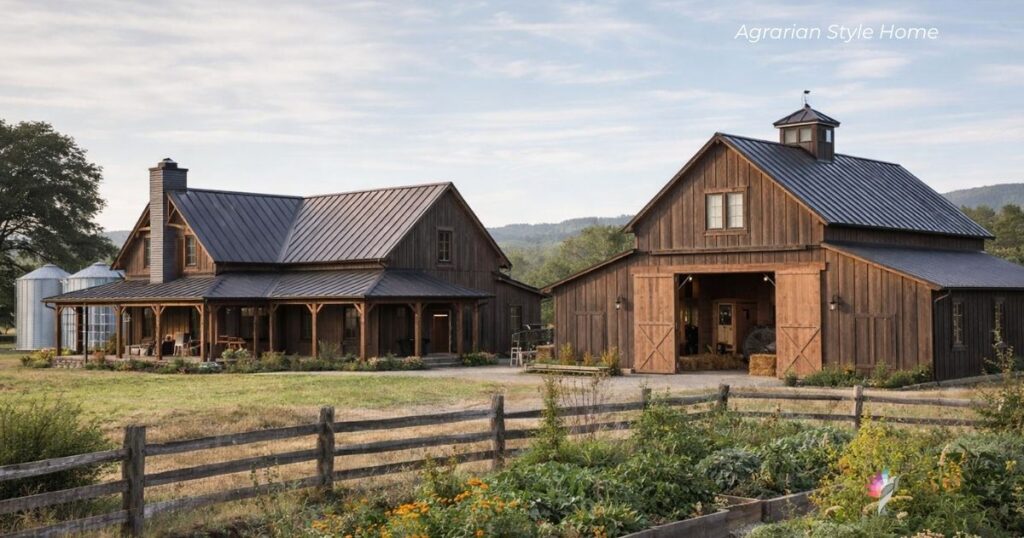
From an architectural and visual standpoint, roofing plays a major role in how a home is perceived. Roof material, profile, and color must work with the home’s style, proportions, and surroundings — not just current trends.
Some homes naturally support metal roofing:
- Modern and contemporary architecture
- Farmhouse and Agrarian-inspired designs
- Certain Craftsman or industrial-leaning styles
- Rural or semi-rural settings
Other homes may struggle visually with a metal roof, especially if:
- The architecture is highly traditional or ornate
- The pitch or scale of the roof overwhelms the façade
- The home sits in a neighborhood where metal roofs are visually inconsistent
- The color choice doesn’t relate to existing materials like brick, stone, or stucco
A roof replacement should enhance the home’s character — not fight it.
Understanding the Different Types of Metal Roofing
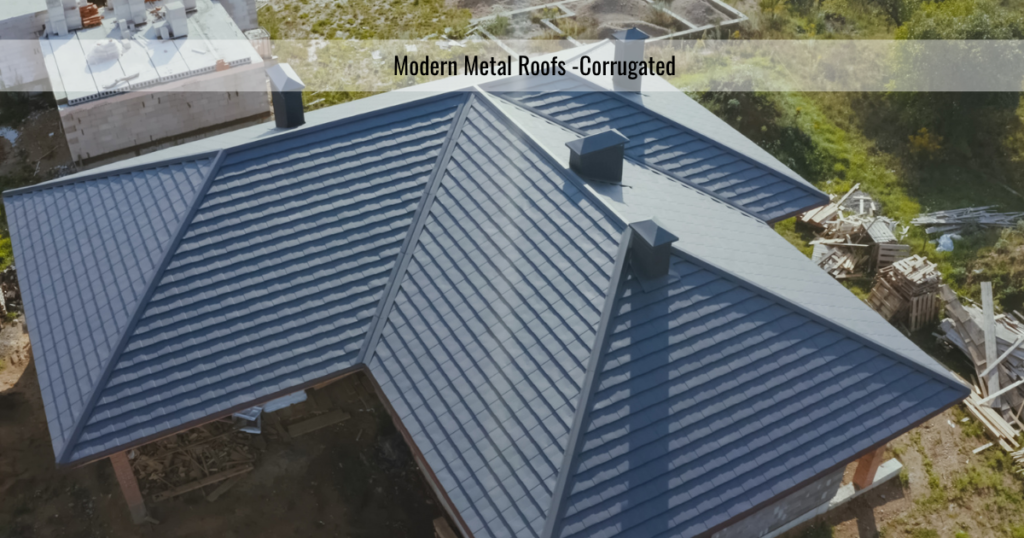
Not all metal roofs are the same. Homeowners are often surprised to learn how many variations exist.
Standing Seam Panels
- Clean, vertical lines
- Very popular for modern and farmhouse homes
- Panels lock together with concealed fasteners
- Higher cost but very durable
Exposed Fastener Panels
- Visible screws and fasteners
- More affordable
- Often used on barns, workshops, and utility structures
- Require more maintenance over time due to fastener exposure
Metal Shingles or Tiles
- Designed to mimic traditional shingles, slate, or tile
- More visually compatible with classic homes
- Typically more expensive than panels
Each option creates a very different architectural effect.
Color Matters More Than Most People Expect
Roof color is not just a preference — it’s a fixed architectural decision that impacts everything else on the exterior.
When selecting a metal roof color, it’s important to consider:
- Brick, stone, or stucco undertones
- Trim color and window frames
- Gutters, fascia, and soffits
- The amount of sunlight the home receives
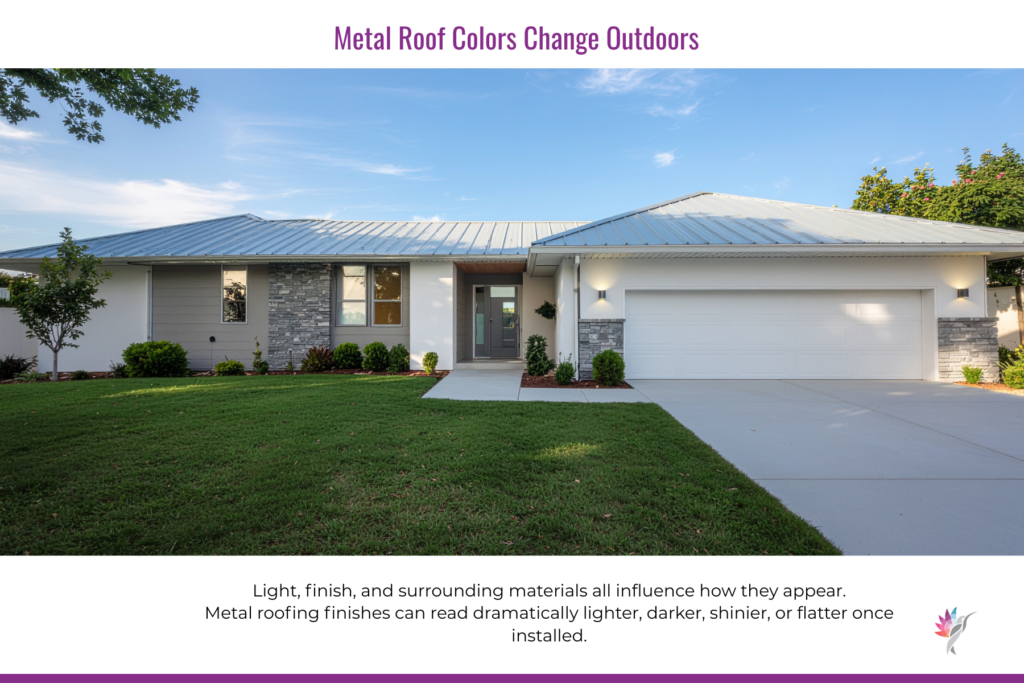
- How reflective or matte the finish appears outdoors
Metal roofing finishes can read dramatically lighter, darker, shinier, or flatter once installed. Samples viewed in isolation or indoors often behave very differently on a full roof plane.
This is where many homeowners go wrong: choosing a roof color without understanding how it will interact with the rest of the home.
Manufacturer vs. Installer: Why Both Matter
Some manufacturers are known for high-quality finishes, consistent color offerings, and advanced coatings. Others may vary widely in appearance and performance.
At the same time, installation quality is just as critical as the product itself. Not all roofers specialize in metal roofing, and installation errors can lead to:
- Oil canning (visible waviness)
- Improper flashing
- Fastener issues
- Reduced lifespan
It’s important to understand that different roofers may work with different manufacturers — and not all metal roofs are equal even if they look similar at first glance.
Key Questions Homeowners Should Ask
Before committing to a metal roof, homeowners should ask:
- Is a metal roof architecturally appropriate for my home?
- Which panel or shingle style works best with my house’s proportions?
- How will the roof color interact with existing materials?
- What finish level will reduce glare and visual harshness?
- Does my roofer have experience with this specific system?
A roof replacement is not just a construction decision — it’s a design decision with long-term visual consequences.
Metal roofs can be an excellent choice when they are selected thoughtfully and installed correctly. They offer longevity, durability, and a strong architectural presence — but they are not a universal solution.
The most successful metal roof projects are the ones where architecture, color, material, and context are all considered together. When those pieces align, the result feels intentional rather than trendy.
If you’re exploring metal roofing, education is the first step — and informed decisions always lead to better outcomes.
Get the answers before you invest.
A metal roof is a 40-to-70-year decision that impacts your home’s entire architectural feel. To help you move forward with clarity, I’ve put together a Metal Roofs: Frequently Asked Questions guide. It covers everything from noise and energy efficiency to the biggest mistakes homeowners make when choosing a color.
Download the Free FAQ Guide here!
Don’t choose your roof based on trends alone.
A roof should be a long-term investment that enhances your home’s value and character. My latest blog post explains the “why” behind metal roofing, but our Side-by-Side Comparison gives you the “how.” Use it to evaluate upfront costs, maintenance, and architectural fit before you sign a contract.
Get the Side-by-Side Comparison copy here!
Master the Art of Exterior Design
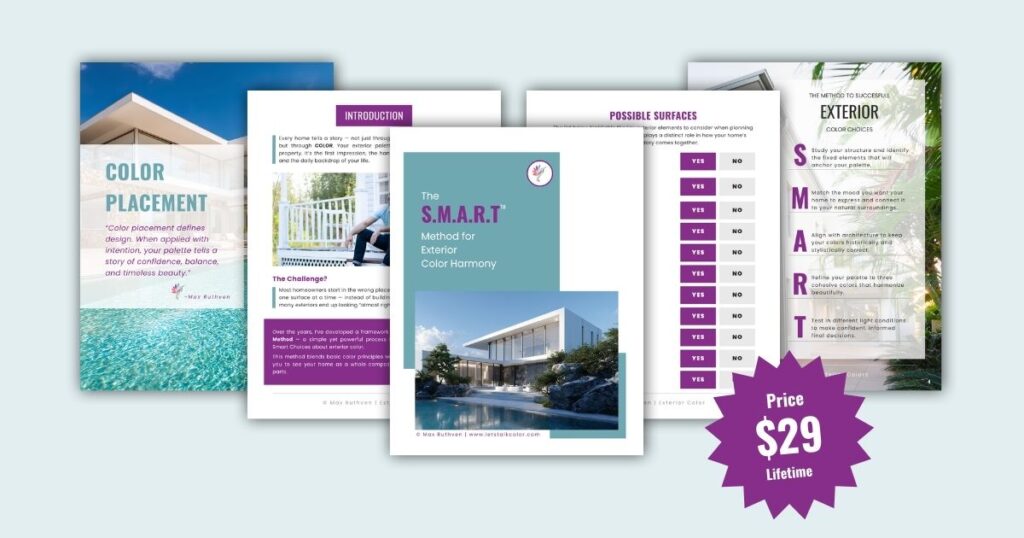
Choosing exterior colors shouldn’t be a guessing game. Invest in a proven system with our eBook, “S.M.A.R.T – Method for Exterior Color Harmony.” For $29, you’ll gain the professional framework needed to create a balanced, cohesive, and beautiful home exterior that lasts.
Get your copy of S.M.A.R.T Method Guide here!
Ready to take the next step?
You can book an appointment with me for personalized support or schedule a discovery call if you’d like to explore how I can help.
Enjoy this blog?
2 Responses
Really appreciate the design-focused take — most metal roofing articles only talk performance specs. From the contractor side, color has practical consequences too: here in Florida, lighter, more reflective colors measurably reduce attic heat gain, which shows up in cooling bills. I also see the fading concern — lower-grade paint systems can chalk within a decade in our UV, so premium PVDF finishes are worth specifying. And you’re spot on that installer experience matters as much as the panel brand; oil canning from poor handling is one of the most common complaints I hear.
The detail about standing seam panels costing more while being very durable, with concealed fasteners, really resonated — it matched the quotes we just got. We compared the standing seam metal roof cost numbers against exposed-fastener panels for our farmhouse, and the premium was significant, though the 40-to-70-year lifespan helps justify it. This article made us think more about color and architecture than just price, which we probably would have skipped otherwise.