The Increasing Demand for Sustainability in Home Design
Sustainability is no longer just a trend—it has become a fundamental principle in home design. As more homeowners and designers recognize the environmental impact of their choices, eco-friendly materials, energy-efficient solutions, and sustainable practices are taking center stage.
In 2025, home design is embracing the “Homebody Era,” where living spaces are evolving to be more comfortable, sustainable, and deeply personalized. From smart technology to eco-conscious furnishings, the focus is on creating homes that are both stylish and functional.
According to Forbes, here are the top home design trends that will inspire your next renovation or refresh.
Trend 1: Sustainable and Eco-Friendly Designs
Sustainability is no longer optional—it’s a priority. Homeowners are increasingly choosing eco-friendly materials, energy-efficient appliances, and low-waste design choices. Natural elements like reclaimed wood, stone, and organic textiles not only enhance aesthetics but also support a more sustainable lifestyle.
For example, World Market’s rug collection features designs made from recycled plastic bottles, blending style with sustainability. Additionally, unique furniture innovations—like this Turkish recycled silk chair from Meb Rure (see it here) showcase how creativity and sustainability can go hand in hand.
Trend 2: Integration of Smart Home Technology
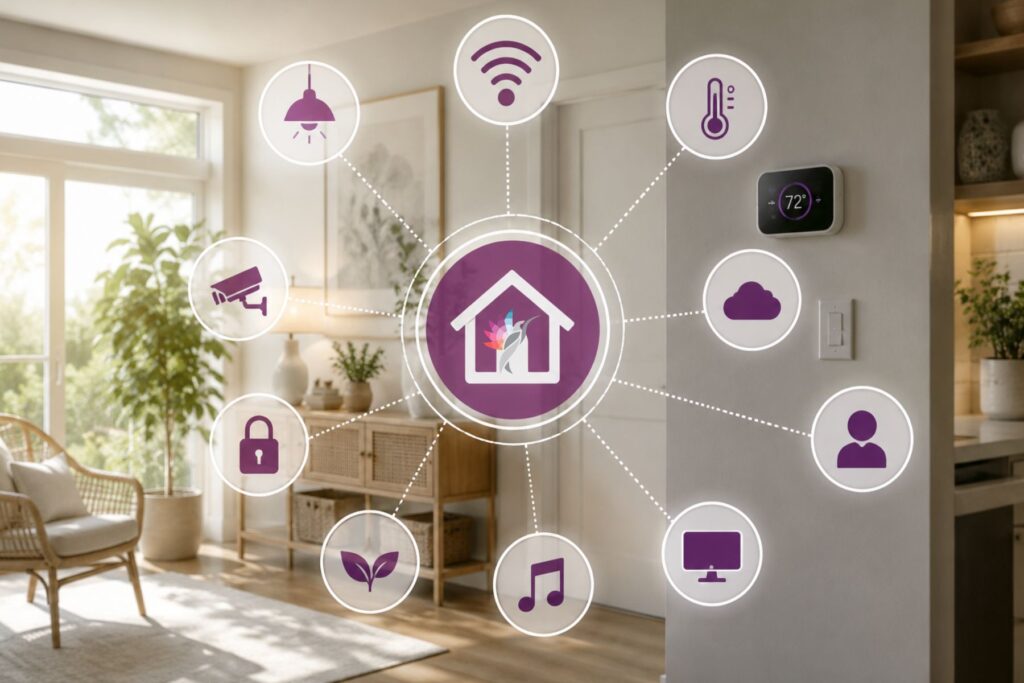
Technology and design are becoming more intertwined than ever. Smart home features—such as automated lighting, voice-controlled assistants, and intelligent climate control—are seamlessly integrating into home designs. These innovations enhance efficiency, security, and overall convenience, making daily life smoother and more connected.
Trend 3: Expanding Outdoor Living Spaces
Bringing the indoors outside remains a key trend. Homeowners are transforming patios, balconies, and backyards into functional extensions of their living spaces. Comfortable seating, outdoor kitchens, fire pits, and weather-resistant materials ensure year-round enjoyment while adding value to the home.
Trend 4: Embracing Natural Light
Homes designed to maximize natural light not only feel more open and inviting but also contribute to energy efficiency and well-being. Features such as large windows, skylights, and open floor plans enhance brightness and reduce the need for artificial lighting, helping homeowners save on energy costs while improving their mood.
Trend 5: Personalized and Multifunctional Spaces
As remote work and flexible living continue to shape lifestyles, homeowners are designing spaces that can serve multiple functions. A guest bedroom may double as a home office, a dining area may transform into a workspace, and modular furniture makes it easy to adapt a room’s purpose. These smart design choices allow for greater versatility in smaller or shared spaces.
Final Thoughts
By staying ahead of these trends, you can create a home that is both stylish and functional. Whether you’re planning a complete renovation or a small refresh, integrating these elements will ensure your space feels modern, comfortable, and sustainable.
Ready to take the next step?
You can book an appointment with me for personalized support or schedule a discovery call if you’d like to explore how I can help.
Enjoy this blog?